Introduction
When a roof leak appears, Miami homeowners almost always look up at the shingles or tiles first. But a surprising number of roof leaks have nothing to do with the roof covering itself — they start at the plumbing vent pipes that poke through the roof. Those pipes are sealed by a small rubber-and-metal collar called a vent boot (or pipe boot), and when that boot fails, water follows the pipe straight down into your ceiling.
In South Florida's punishing mix of intense sun, salt air, and heavy rain, vent boots are among the most common — and most overlooked — sources of roof leaks. In this guide, we'll explain what a roof vent boot does, why it fails so often in Miami's climate, the warning signs to watch for, how a professional repair works, and what it typically costs.
What Is a Roof Vent Boot and Why It Matters
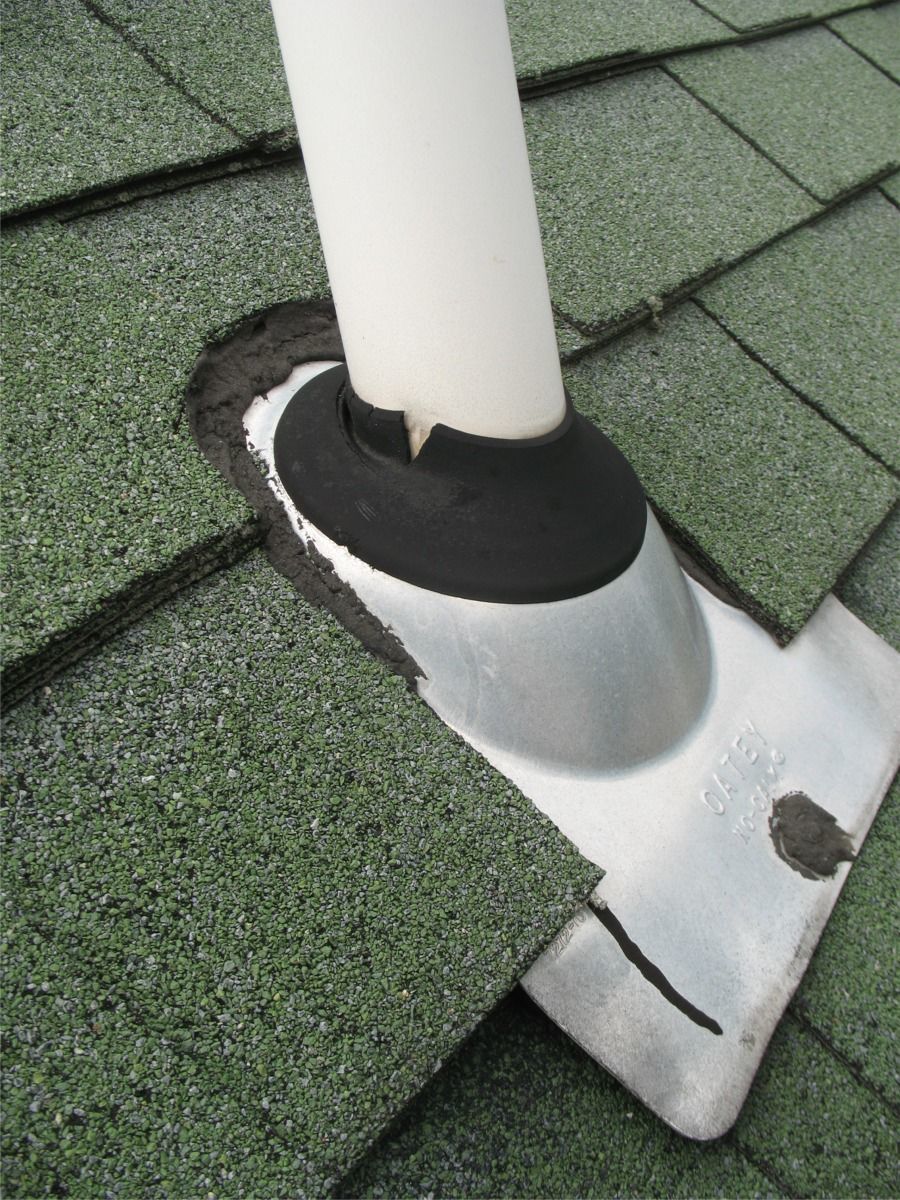
Every plumbing system needs air to flow so drains work properly. That airflow comes from vent pipes that extend up through your roof. Where each pipe exits the roof, a vent boot creates the watertight seal that keeps rain out. A typical boot has a metal flashing base that lies flat on the roof, plus a flexible rubber collar that grips the pipe tightly.
When a vent boot is intact, water sheds harmlessly down the roof and into the gutters. When it fails, water seeps around the pipe and travels down through the attic and ceiling — often showing up far from the actual leak, which makes these leaks especially frustrating to trace.
Vent boots also protect against wind-driven rain, keep insects and small animals out of the attic, and prevent rot in the roof decking around every pipe penetration.
Why Vent Boots Fail in Miami
Vent boots are built to last, but Miami's climate ages them faster than almost anywhere else in the country. The most common reasons they fail here include:
- Rubber degradation from UV and heat: Miami's relentless sun dries out and cracks the rubber collar over time. Once the collar splits or pulls away from the pipe, water has a direct path into your home.
- Salt-laden coastal air: Homes near the coast face accelerated corrosion of the metal flashing base, especially if lower-grade galvanized steel was used instead of aluminum.
- Thermal expansion and contraction: Constant heating and cooling makes the rubber collar lose its grip on the pipe, opening tiny gaps that widen with each season.
- Storm and wind damage: High winds during hurricanes and tropical storms can lift, tear, or displace vent boots, and flying debris can crack the flashing.
- Improper original installation: A boot that was nailed in the wrong spot, sealed incorrectly, or sized wrong for the pipe will leak prematurely.
- Age: Even a well-installed boot rarely lasts as long as the roof itself. Most rubber collars begin to fail after 10 to 15 years in South Florida's sun.
Warning Signs of a Vent Pipe Leak
Vent pipe leaks often hide until they've already done damage. Watch for these telltale signs:
- Water stains or discoloration on the ceiling, especially near bathrooms, kitchens, or interior walls where vent pipes run.
- Damp or musty odors in the attic or in rooms directly below a vent pipe.
- Peeling paint or bubbling on ceilings and walls near plumbing fixtures.
- Visible cracks, splits, or gaps in the rubber collar when you inspect the vent boot from the roof or attic.
- Rust or corrosion on the metal flashing around the pipe.
- Mold or mildew on attic insulation or sheathing near a pipe penetration.
- Leaks that only appear during heavy rain and seem to come from a spot with no obvious roof damage.
If you notice any of these, it's worth having a licensed Miami roofing contractor inspect your vent boots. Catching a failed boot early is far cheaper than repairing the ceiling, insulation, and decking damage that follows if it's ignored.
How a Professional Vent Boot Repair Works
Properly repairing a vent boot takes more than slapping sealant over the crack. A licensed Miami roofer will typically follow these steps:
- Locate the source: Confirm which vent pipe is leaking by tracing water stains, inspecting each boot, and when necessary, running a controlled water test.
- Clear the area: Gently lift the surrounding shingles or tiles and remove the old, cracked boot without disturbing the pipe.
- Check the decking: Inspect the roof sheathing around the pipe for rot or water damage and replace any compromised wood.
- Install a new boot: Fit a correctly sized, corrosion-resistant vent boot with a new rubber collar, slide it over the pipe, and seal the joint properly.
- Re-fasten and flash: Nail the flashing base correctly, re-seat the shingles or tiles over it, and apply the right sealant so water flows cleanly past the pipe.
When done correctly, the repair restores a watertight seal around the pipe that lasts for many years.
Vent Boot Repair vs. Roof Replacement
In most cases, a vent boot repair is a fast, standalone fix that a crew can complete in a few hours. But there are times when it makes sense to address it as part of a larger project:
- If the roof itself is nearing the end of its lifespan, replacing all vent boots during a full roof replacement is the most cost-effective approach — and new boots should always be installed with any new roof.
- If multiple boots are failing at once, it often signals the whole roof's flashing is aging out and may be time for a broader upgrade.
- If decking rot has spread well beyond the pipe, the damage may extend into the surrounding sheathing and require more extensive repair.
A reputable contractor will give you an honest recommendation either way. In Miami, any time a roof is replaced, installing brand-new vent boots is standard, non-negotiable practice.
Roof Vent Pipe Leak Repair Cost in Miami
Vent boot repair is one of the more affordable roof repairs — especially compared to the interior water damage it prevents. Final pricing depends on how many boots need attention, roof accessibility, and whether underlying wood must be replaced:
- Single vent boot replacement: Replacing one cracked or failed boot typically runs $150 to $450, depending on roof height, pitch, and material.
- Multiple boots: Replacing several vent boots during one visit is more efficient per boot, often running $100 to $300 each after the first.
- With decking or interior repair: If water has already rotted the sheathing or stained ceilings, expect the total to climb by $300 to $1,500+ depending on the extent of the damage.
- Material choice: Aluminum and lead vent boots cost slightly more upfront than basic galvanized steel but last far longer in Miami's salt air and intense sun.
Keep in mind that a recurring vent pipe leak can be a sign that other roof penetrations are also failing. A professional inspection will help you decide whether to repair the boot alone or address the roof more broadly.
Preventing Future Vent Pipe Leaks
Once your vent boots are repaired, a little proactive care keeps them watertight for years:
- Schedule annual inspections: A professional roof inspection before hurricane season can catch cracked or dry-rotted boots early, before they leak.
- Check after storms: After any high-wind event, have the roof checked for lifted, torn, or displaced flashing around vent pipes.
- Keep the roof clean: Clear debris from around pipe penetrations so water can flow freely and the flashing isn't stressed.
- Choose corrosion-resistant materials: For coastal homes, aluminum or lead boots hold up far better against salt air than bare galvanized steel.
In a climate like Miami's, staying ahead of vent boot wear is far cheaper than the ceiling, insulation, and decking damage a neglected pipe leak can cause.
Conclusion
Vent pipe leaks are easy to overlook but rank among the most common causes of roof leaks in Miami homes. By understanding what a vent boot does, recognizing the warning signs of failure, and acting quickly, you can protect your home from costly water damage and keep your roof watertight through every storm season.
At All Pro Roofing & Windows Miami, we've repaired and replaced vent boots on homes across Miami-Dade, Broward, and Monroe County. We're fully licensed (CCC1333865 and CGC1525217), fully insured, and we stand behind our work. If you suspect a vent pipe leak — or just want a professional inspection before the next storm — call us at 305-707-8451 or visit www.allprocontractorsgroup.com today.
#itpaystogowiththepros