Introduction
Of all the places a roof can leak, few cause as much frustration as the valley. The valley is the V-shaped channel where two sloping roof planes meet, and it funnels a huge volume of rainwater down a single path every time it rains. In Miami, where heavy afternoon downpours are a year-round fact of life, a compromised roof valley can turn a small drip into a serious problem fast.
In this guide, we'll explain what causes roof valley leaks, the warning signs every Miami homeowner should recognize, how a proper repair is done, what it typically costs, and why catching a valley leak early can save you thousands in water damage.
What Is a Roof Valley & Why Is It So Leak-Prone?
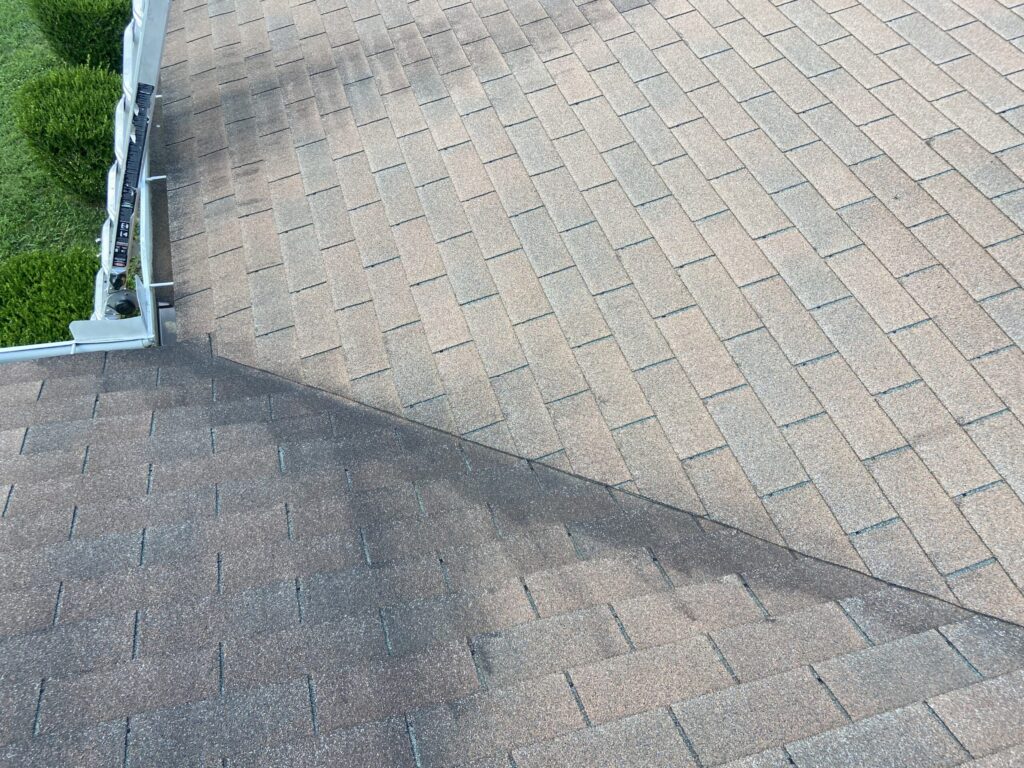
A roof valley is the interior angle formed where two roof sections intersect — think of the lines running down the "dips" of an L-shaped or multi-gable home. Because valleys collect and direct runoff from two entire roof planes, they handle more water than almost any other part of the roof.
That concentration of water is exactly why valleys are so vulnerable. The constant flow, combined with Miami's heat, humidity, and wind-driven rain, means valley flashing, sealant, and shingles wear out faster here than almost anywhere else. When any part of that channel fails, water has a direct path into the decking and attic below.
Common Causes of Roof Valley Leaks
Understanding why a valley leaks is the first step toward a lasting fix. The most frequent culprits we see across Miami-Dade include:
- Worn or corroded valley flashing: The metal lining that carries water down the valley can rust, crack, or lift over time, especially in our salt-laden coastal air.
- Failed sealant and caulk: UV exposure and heat cycles dry out sealant, causing it to shrink, crack, and pull away from the flashing edges.
- Missing or damaged shingles: In a woven or closed-cut valley, broken shingles create gaps that let water slip underneath the roofing material.
- Debris and clogged valleys: Leaves, pine needles, and sediment pile up in the channel, damming water so it backs up under the shingles and flashing.
- Improper original installation: A valley that wasn't cut, lapped, or fastened correctly from day one is a leak waiting to happen.
- Storm and wind damage: Hurricanes and strong squalls can lift flashing or tear shingles at the valley line, where wind pressure is concentrated.
Warning Signs of a Leaking Roof Valley
Valley leaks often start small, but they rarely stay that way. Watch for these telltale signs in your home:
- Water stains on ceilings or walls that appear near interior corners or along the line of an exterior roof valley.
- Damp or musty odors in the attic that get stronger after heavy rain.
- Dark streaks or peeling paint along ceiling edges where two rooflines meet.
- Visible rust or gaps in metal flashing when viewed from the roof or a ladder.
- Granules or shingle debris in gutters directly below a valley, indicating accelerated wear.
- Mold or mildew growth in the attic insulation near the valley area.
If you spot any of these, don't wait. A valley leak that's ignored for even a few weeks can rot roof decking, ruin insulation, and lead to costly mold remediation in Miami's humid climate.
How a Professional Roof Valley Repair Works
Fixing a valley leak correctly takes more than slapping caulk over the problem. A licensed Miami roofing contractor will typically follow these steps:
- Inspection: Locate the exact source of the leak and assess the condition of the flashing, underlayment, and surrounding shingles.
- Remove damaged material: Carefully lift or remove the shingles, old flashing, and deteriorated underlayment in the valley area.
- Repair the decking: Replace any water-damaged or rotted roof decking so the repair has a solid foundation.
- Install new underlayment: Lay fresh, water-resistant underlayment along the valley line, often with an ice-and-water shield for extra protection.
- Re-flash the valley: Install new valley flashing — or re-weave the shingles in a closed-cut or woven pattern — so water flows cleanly off the roof.
- Seal and finish: Apply high-quality sealant and reinstall shingles for a watertight, weather-resistant finish.
A professional repair addresses the root cause, not just the symptom, so the leak doesn't return with the next summer storm.
Roof Valley Repair Cost in Miami
Valley repairs are generally one of the more affordable roof fixes — especially compared to the cost of the water damage they prevent. Pricing depends on the size of the valley, the extent of the damage, and whether decking needs to be replaced:
- Minor valley reseal or flashing touch-up: Most homeowners in Miami spend roughly $300 to $700 for a localized sealant or small flashing repair.
- Full valley re-flash or shingle replacement: A more involved repair with new flashing and shingles typically runs $700 to $1,500 per valley.
- Repairs with decking replacement: If water has rotted the plywood below, expect the total to climb to $1,500 to $3,000+ depending on how much sheathing must be replaced.
Keep in mind that a recurring valley leak on an aging roof can be a sign that a full roof replacement makes more financial sense than repeated patch repairs. A reputable contractor will give you an honest assessment either way.
Preventing Future Roof Valley Leaks
Once your valley is repaired, a little maintenance goes a long way toward keeping it watertight for years:
- Keep valleys clear: Trim overhanging branches and clear leaves and debris from valleys at least twice a year, and after every major storm.
- Schedule annual inspections: A professional roof inspection before hurricane season can catch worn flashing and sealant early.
- Check after storms: After any high-wind event, have the valleys inspected for lifted flashing or damaged shingles.
- Watch for granule buildup: Excessive granules below a valley signal shingle wear and warrant a closer look.
In a climate like Miami's, prevention is far cheaper than the water damage a neglected valley can cause.
Conclusion
A leaking roof valley is a common but serious problem for Miami homeowners — and one that only gets more expensive the longer it's ignored. By understanding the causes, recognizing the warning signs, and acting quickly, you can protect your home, your belongings, and your peace of mind.
At All Pro Roofing & Windows Miami, we've repaired countless roof valleys across Miami-Dade, Broward, and Monroe County. We're fully licensed (CCC1333865 and CGC1525217), fully insured, and we stand behind our work. If you suspect a valley leak — or just want a professional inspection before the next storm — call us at 305-707-8451 or visit www.allprocontractorsgroup.com today.
#itpaystogowiththepros