Introduction
When a roof leaks, most homeowners assume the shingles or tiles are to blame. But in the vast majority of cases, the real culprit is much smaller — and much less obvious. Roof flashing, the thin strips of metal that seal the joints where your roof meets a wall, chimney, skylight, or vent pipe, is the most common source of roof leaks in South Florida. When flashing fails, water gets exactly where it shouldn't, often long before you see any visible damage to the roof surface itself.
In Miami's punishing climate, flashing takes a beating. Torrential summer downpours, hurricane-force winds, relentless humidity, and salt-laden coastal air all work together to corrode, loosen, and eventually defeat even well-installed flashing. In this guide, we'll explain what flashing does, how to spot the early warning signs of failure, what repairs cost, and why a licensed Miami contractor is your best defense.
What Is Roof Flashing and Why Does It Matter?
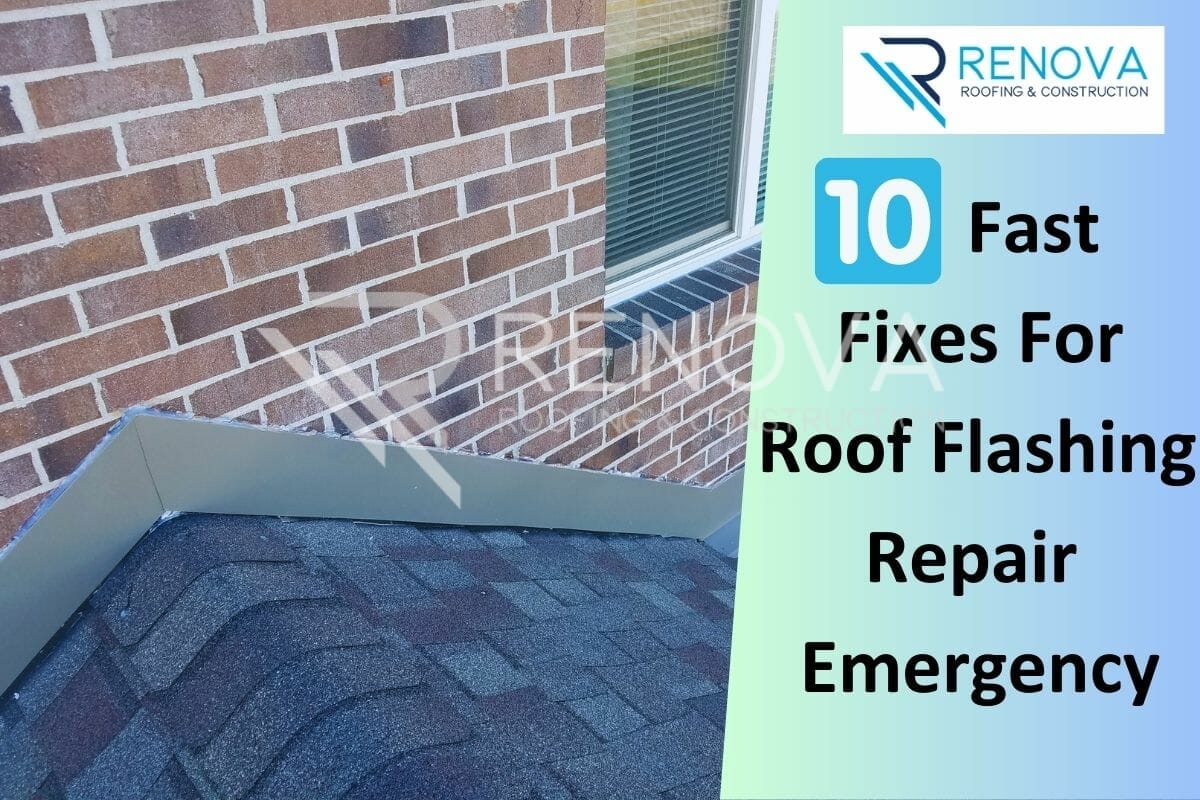
Roof flashing is a thin, weather-resistant metal — usually galvanized steel, aluminum, or copper — installed at every transition and penetration in your roof. Its job is simple but critical: to redirect water away from vulnerable seams and joints and channel it safely down the roof and into the gutters. Flashing is found wherever the smooth, continuous surface of the roof is interrupted, including where the roof meets a vertical wall, around chimneys, along roof valleys, around skylights, and at the base of vent pipes.
Think of flashing as the seal that keeps the "envelope" of your home watertight. Shingles and tiles shed water downhill, but they can't seal the corners and edges by themselves. Without properly installed, intact flashing, water running down the roof finds those seams and works its way inside — into the attic, down the walls, and eventually onto your ceilings and belongings.
Common Types of Roof Flashing
Different parts of the roof require different flashing designs, and each one plays a specific role:
- Step flashing: Short, L-shaped pieces woven between shingles where a sloped roof meets a vertical wall, directing water away from the wall joint.
- Counter flashing: A second layer embedded into the wall or chimney that overlaps step flashing to create a watertight, double-barrier seal.
- Valley flashing: A wide metal channel installed in the "V" where two roof slopes meet, carrying the heavy volume of water that collects there.
- Vent pipe flashing (boots): Rubber-and-metal collars that seal around plumbing vents and other pipes penetrating the roof.
- Chimney flashing: A combination of base, step, and counter flashing that seals the notoriously leak-prone area around a chimney.
- Drip edge: Metal installed along the roof's edge that directs water into the gutters and away from the fascia and decking.
Why Flashing Fails Faster in Miami
South Florida is one of the harshest environments for roofing components in the country. Flashing is especially vulnerable for several reasons. First, the near-constant humidity combined with salt air near the coast accelerates corrosion, causing metal flashing to rust and pit far faster than it would inland. Second, Miami's intense heat and UV exposure degrade the sealants and caulks used around flashing joints, causing them to dry out, crack, and pull away.
Third, and perhaps most importantly, is the wind. Miami sits inside Florida's high-velocity hurricane zone, and flashing is exactly where wind-driven rain tries to force its way into your home during a storm. Even a slightly loose flashing panel can be lifted by strong gusts, peeling back and exposing the seam beneath it. What begins as a tiny gap can quickly become a full-blown water intrusion during the next afternoon thunderstorm or tropical system.
Warning Signs Your Roof Flashing Needs Attention
Flashing problems almost always announce themselves before they become catastrophic — if you know what to look for:
- Water stains on ceilings or walls: Brown or yellow discoloration, especially near exterior walls or chimneys, often traces back to a flashing leak.
- Rust or corrosion on exposed metal: Visible rust, pitting, or white oxidation on flashing is a sign the metal is nearing the end of its life.
- Loose, lifted, or missing flashing: After a storm, check whether any flashing panels have been bent upward, torn away, or shifted out of place.
- Cracked or peeling sealant: Dried-out, crumbling caulk around chimneys, vents, and skylights is a leak waiting to happen.
- Lifted or curling shingles near seams: Shingles pulling away from a wall, chimney, or valley often mean the flashing beneath has failed.
- Mold, mildew, or musty odors in the attic: Persistent attic moisture is frequently caused by slow, silent flashing leaks.
Roof Flashing Repair vs. Replacement
Not every flashing problem requires a full replacement. If the damage is isolated — a single rusted vent pipe boot, one bent step flashing panel, or a section of failed caulk — a targeted repair is often the smart, cost-effective choice. A skilled contractor can remove the damaged piece, inspect the underlying structure for hidden water damage, and install a new section that matches the rest of your roof.
However, if corrosion is widespread, if the flashing has been patched repeatedly, or if you're already dealing with interior water damage, replacement is usually the better long-term investment. Upgrading to modern, corrosion-resistant materials at the same time can also extend the life of the entire roofing system. A professional inspection will tell you whether a patch will hold — or whether you're just postponing a larger, more expensive job.
What Does Roof Flashing Repair Cost in Miami?
Costs vary based on the size and location of the affected area, the material involved, and how accessible the roof is. Minor repairs — such as replacing a single vent boot or resealing a small section — typically cost a few hundred dollars. Replacing flashing around a chimney or a full roof valley runs higher, and premium materials like copper command a premium price.
Factors that influence your final quote include the height and pitch of your roof, whether scaffolding or special equipment is needed, and whether hidden water damage is discovered once the old flashing is removed. Whatever the price, it's almost always a fraction of what a long-ignored flashing leak will eventually cost in rotted decking, insulation, drywall, and mold remediation. Always ask for a written estimate that clearly explains the scope of work and the materials being used.
Choosing the Right Flashing Material
For Miami homes, material selection matters. Galvanized steel is the most common and budget-friendly choice, offering solid durability when properly coated. Aluminum is lightweight and highly resistant to corrosion, making it an excellent choice for coastal homes exposed to salt air. Copper is the premium option — exceptionally long-lasting and visually striking, though it comes at a higher upfront cost.
The right choice depends on your roof type, your budget, and your home's exposure to salt air. Equally important is compatibility: mixing incompatible metals can trigger galvanic corrosion that eats through flashing prematurely. A professional who understands Miami's climate and building codes can recommend the right material and ensure it's installed to withstand South Florida's wind-load requirements.
Why Hire a Licensed Miami Contractor
Flashing work looks simple from the ground, but it demands precision. A flashing joint that's even slightly misaligned, under-sealed, or made from the wrong material will leak — often invisibly, until the damage inside your home is already done. Working at roof height also carries genuine safety risk, which is why this is a job best left to insured professionals with the right training and equipment.
A licensed contractor will inspect the full roof — not just the visible damage — to identify the true source of any leak, confirm that surrounding flashing and decking are sound, and ensure the finished work meets Miami-Dade's strict high-velocity hurricane zone standards. The result is a roof that stays watertight through the next storm and for many years after.
Conclusion
Roof flashing may be the smallest, least-glamorous part of your roofing system, but it's also the most common point of failure — and in Miami, it's the difference between a dry home and an expensive repair. The key is catching problems early, before a small flashing gap becomes a rotted deck, a stained ceiling, or a mold problem in your attic.
At All Pro Roofing & Windows Miami, we help homeowners across Miami-Dade, Broward, and Monroe County protect their homes with expert flashing repair, full flashing replacement, and code-compliant roofing installations. Our team is fully licensed (CCC1333865 and CGC1525217) and ready to inspect your roof and give you an honest, no-pressure recommendation. Ready for a free inspection and a no-obligation quote? Call us at 305-707-8451 or visit www.allprocontractorsgroup.com to schedule your appointment today.
#itpaystogowiththepros