Introduction
Most Miami homeowners never think about the thin strip of metal that runs along the edges of their roof — until it starts causing problems. That strip is called drip edge, and it plays an outsized role in protecting your home. It's the final line of defense that channels rainwater off the roof and into your gutters, keeping water away from the fascia, the roof decking, and ultimately your home's interior.
In South Florida, where afternoon thunderstorms and hurricane-force rain are a fact of life, a damaged or missing drip edge can quietly allow thousands of dollars in water damage before you ever see a leak. In this guide, we'll explain what drip edge does, why it fails in Miami's climate, the warning signs to watch for, how a proper repair works, and what it typically costs.
What Is Roof Drip Edge and Why It Matters
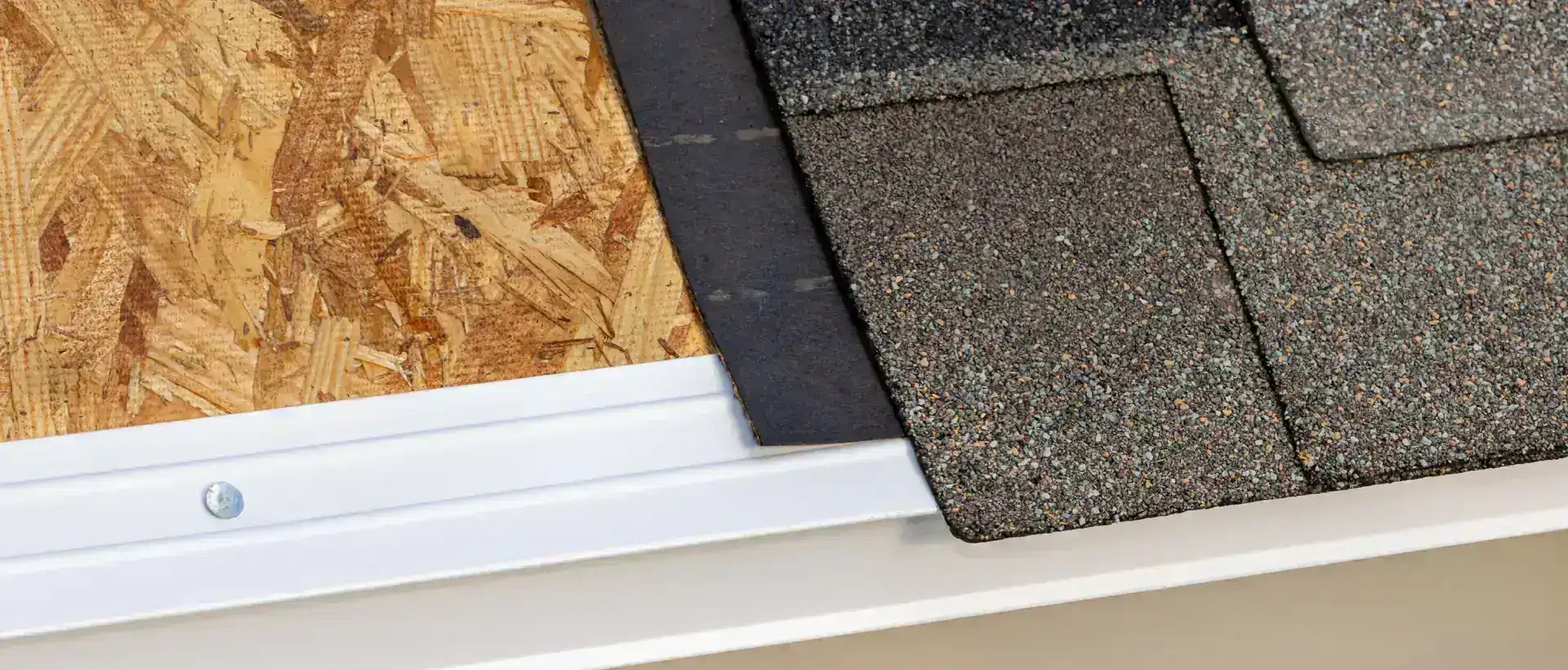
Drip edge is a shaped metal flashing — usually aluminum or galvanized steel — installed along the eaves and rakes (the sloped edges) of a roof. Its job is simple but critical: it directs water away from the roof's edges and into the gutters instead of letting it seep underneath the shingles or behind the fascia board.
Without properly installed drip edge, water wicks back under the roofing material, where it can rot the decking, stain the soffit, and saturate the fascia. Over time, this leads to wood rot, mold growth, and even structural damage — all problems that are far more expensive to fix than the drip edge itself.
Beyond water control, drip edge also seals the vulnerable gap at the roof's perimeter against wind-driven rain, insects, and small animals, and it gives the roofline a clean, finished look.
Why Drip Edge Fails in Miami
Drip edge is designed to last, but Miami's unique climate puts it under constant stress. The most common reasons drip edge fails here include:
- Corrosion from salt-laden coastal air: Homes near the coast are exposed to salt spray that accelerates rust on metal flashing, especially if galvanized rather than aluminum or properly coated steel was used.
- Intense UV and heat: Miami's relentless sun causes metal to expand and contract, loosening fasteners and opening small gaps over the years.
- Storm and wind damage: High winds during hurricanes and tropical storms can lift, bend, or tear drip edge away from the roof edge.
- Improper original installation: Drip edge that was nailed in the wrong position, overlapped incorrectly, or omitted entirely during a past roof job will fail prematurely.
- Age and wear: Even well-installed drip edge degrades over decades, and when a roof is re-shingled without replacing the flashing, the old metal may already be on its last legs.
Warning Signs You Need Drip Edge Repair
Drip edge problems often show up in subtle ways long before an obvious leak. Watch for these telltale signs:
- Water stains or streaks on the fascia boards or the underside of the roof overhang.
- Peeling paint or rotting wood along the fascia and soffit.
- Rust spots, gaps, or visible bends in the metal flashing at the roof edge.
- Missing or lifted drip edge after a storm or high winds.
- Water dripping behind the gutters instead of into them during rain.
- Dampness, mold, or mildew in the attic near the eaves.
- Pests or birds finding their way into gaps at the roofline.
If you notice any of these, it's worth having a licensed Miami roofing contractor inspect the roof edge. Early drip edge repair is a fraction of the cost of the decking and fascia repairs that follow if it's left alone.
How a Professional Drip Edge Repair Works
Repairing drip edge properly takes more than hammering a loose strip back into place. A licensed Miami roofer will typically follow these steps:
- Inspection: Assess the condition of the drip edge, the underlying decking, and the fascia to understand the full scope of the damage.
- Remove damaged material: Carefully lift the shingles or tile along the edge and remove the old, rusted, or bent flashing.
- Check the decking and fascia: Replace any water-damaged or rotted sheathing and fascia boards so the new flashing has a solid foundation.
- Install new drip edge: Secure new corrosion-resistant drip edge over the underlayment and beneath the shingles, with proper overlap at every seam and correct nailing to prevent future lifting.
- Re-seal and finish: Re-seat the shingles, verify the edge overlaps correctly, and confirm water flows cleanly off the roof into the gutters.
When done right, the repair restores a clean, watertight seal at the roof's most vulnerable perimeter.
Drip Edge Repair vs. Full Roof Replacement
In many cases, drip edge repair is a standalone fix that takes a crew less than a day. But there are times when it makes more sense to address it as part of a larger roof project:
- If the roof itself is nearing the end of its lifespan, replacing the drip edge during a full roof replacement is the most cost-effective approach.
- If extensive decking or fascia rot is present, the damage may extend well beyond the flashing and require broader repairs.
- If the home has recurring leaks at multiple points along the roofline, it may signal a systemic flashing problem rather than one isolated area.
A reputable contractor will give you an honest recommendation either way — and in Miami, it's always smart to install new drip edge any time a roof is replaced.
Roof Drip Edge Repair Cost in Miami
Drip edge repair is one of the more affordable roofing repairs — especially compared to the water damage it prevents. Final pricing depends on the length of roof edge affected, accessibility, and whether any underlying wood must be replaced:
- Minor localized repair: Re-securing or replacing a short section of drip edge typically runs $200 to $500.
- Full perimeter drip edge replacement: Replacing drip edge around the entire roof of an average Miami home generally costs $1,000 to $2,500, depending on roof size, height, and material.
- With fascia or decking repair: If water has already rotted the fascia or decking, expect the total to climb by $500 to $2,000+ depending on how much wood must be replaced.
- Material choice: Aluminum drip edge is the most common and corrosion-resistant choice for coastal Miami; galvanized steel is slightly less expensive but may not last as long near the coast.
Keep in mind that a recurring drip edge problem can be a sign that the surrounding roof is also failing. A professional inspection will help you decide whether to repair the flashing alone or address the roof more broadly.
Preventing Future Drip Edge Problems
Once your drip edge is repaired, a little maintenance goes a long way toward keeping your roof's edge watertight for years:
- Keep gutters clear: Clogged gutters force water to back up over the drip edge, so clean them at least twice a year and after major storms.
- Schedule annual inspections: A professional roof inspection before hurricane season can catch loose, rusted, or lifted drip edge early.
- Check after storms: After any high-wind event, have the roofline checked for lifted or missing flashing.
- Choose corrosion-resistant material: For coastal homes, aluminum or properly coated metal drip edge holds up far better against salt air than bare steel.
In a climate like Miami's, proactive care at the roof's edge is far cheaper than the wood rot and water damage a neglected drip edge can cause.
Conclusion
Drip edge is easy to overlook, but it's one of the most important pieces of protection your roof has against South Florida's heavy rains. By understanding what it does, recognizing the warning signs of failure, and acting quickly, you can protect your home from costly water damage and keep your roofline looking clean.
At All Pro Roofing & Windows Miami, we've repaired and replaced drip edge on homes across Miami-Dade, Broward, and Monroe County. We're fully licensed (CCC1333865 and CGC1525217), fully insured, and we stand behind our work. If you suspect a drip edge problem — or just want a professional inspection before the next storm — call us at 305-707-8451 or visit www.allprocontractorsgroup.com today.
#itpaystogowiththepros