Get a Free inspection when you sign up.
How Long Does a Roof Last in Miami? Tile, Shingle, and Flat Roof Lifespans Explained
South Florida roofs can last for years, but Miami heat, rain, salt air, and hurricane exposure change the lifespan equation fast.
If you are asking how long a roof lasts in Miami, you are asking a much more important question than many homeowners realize. In South Florida, the age of a roof is not just a trivia detail for resale listings or insurance paperwork. Roof lifespan affects when you should budget for repairs, when a leak risk starts to climb, and when it makes sense to replace a system before storm season exposes every weak spot at once.
Miami roofs live in a harsher environment than roofs in many other parts of the country. They deal with intense UV exposure, long periods of humidity, heavy rain, fast afternoon storms, salt air in coastal zones, and hurricane-season wind pressure. That means two roofs installed the same year can age very differently depending on the material, the quality of the installation, attic ventilation, drainage details, and how well the homeowner kept up with maintenance. The good news is that most roof systems give warning signs before total failure. The key is knowing what realistic lifespan looks like for your roof type.
Why roof lifespan is different in Miami
When homeowners search for average roof life, they often find broad national estimates. Those ranges can be useful, but they are usually too generic for South Florida. Miami is hard on roofing materials. Constant sun accelerates wear. Heat expands and contracts roofing components. Moisture tests flashing, sealants, and vulnerable transitions. Wind-driven rain can push water into places that may not matter in calmer climates. Even small drainage or ventilation problems can shorten the life of a roof much faster here than in a milder market.
That is why the better question is not just how many years a roof can last. It is how well that roof was designed and installed for Miami conditions. A code-ready system with quality materials and careful workmanship will generally outperform a cheaper roof that looked fine on day one but was not built with long-term exposure in mind.
How long asphalt shingle roofs usually last in Miami
Asphalt shingle roofs are popular because they are cost-effective, versatile, and available in many styles. In Miami, a properly installed architectural shingle roof can often deliver solid service for many years, but the climate can shorten lifespan compared with cooler regions. Strong sun exposure, high roof temperatures, and repeated storm seasons all add wear over time.
For many homeowners, the practical reality is that shingle roofs should be watched more closely once they reach midlife. You may still have useful years left, but this is the stage when granule loss, lifted shingles, brittle tabs, exposed fasteners, and flashing wear become more important. If a shingle roof has already gone through several major storm cycles, it makes sense to inspect it before hurricane season instead of assuming it will make it through one more year.
Regular maintenance matters here. Small repairs, proper attic ventilation, and fast response to missing or creased shingles can extend the life of a shingle system. Ignoring those warning signs usually does the opposite.
How long tile roofs usually last in Miami
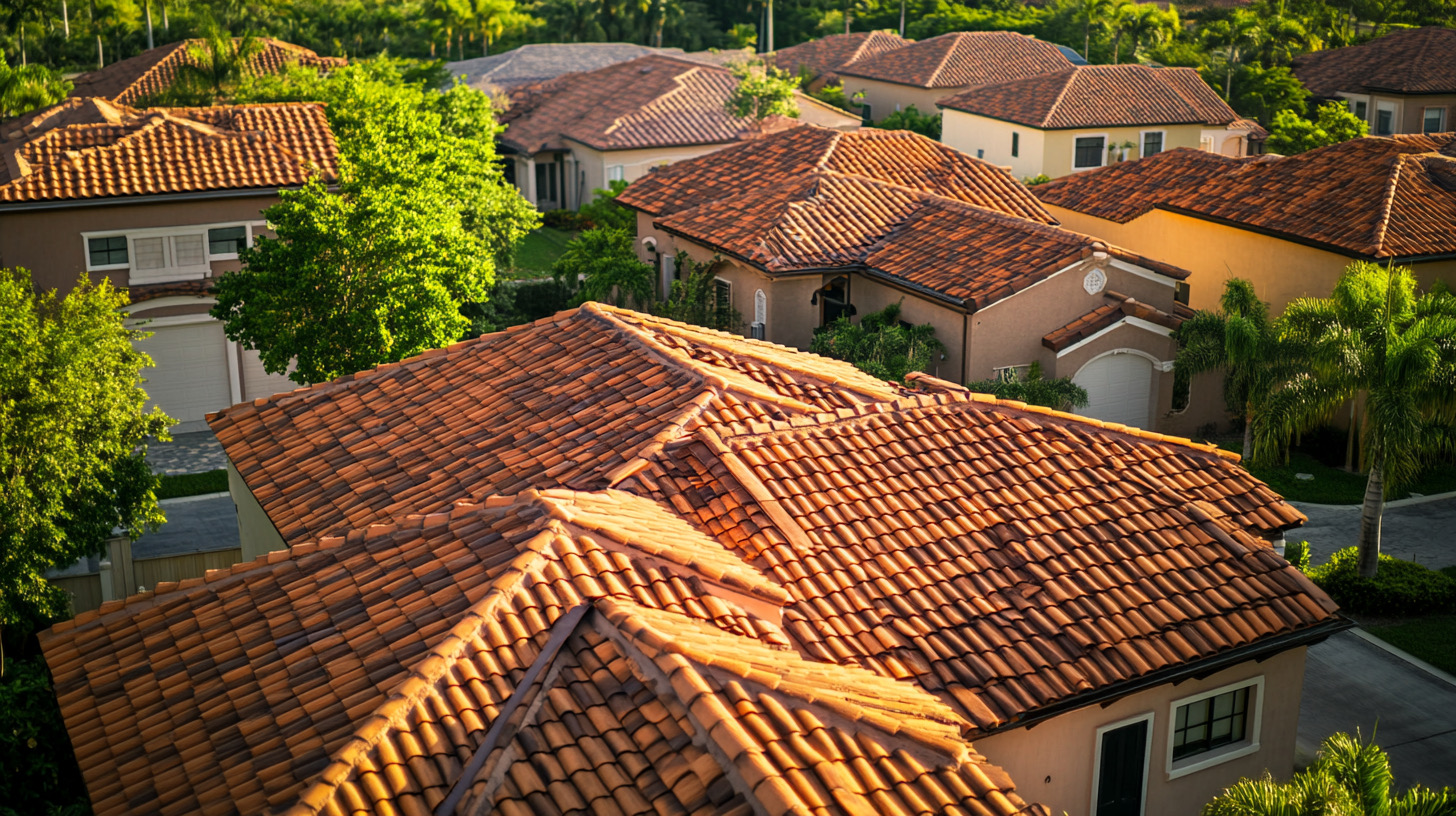
Tile roofs are common across Miami because they match local architecture well and handle sun exposure better than many homeowners expect. A quality tile roof system can offer an impressive service life, but there is an important detail homeowners sometimes miss: the visible tile and the waterproofing system underneath do not age at the same pace.
In many South Florida homes, the tile itself may still look attractive long after the underlayment and flashing details have become the real concern. That means a tile roof can appear healthy from the street while still developing leak risk underneath. Broken tiles, slipped tiles, underlayment deterioration, and aging penetrations around vents or valleys can all change the real condition of the roof.
If you own a tile roof, do not judge lifespan by curb appeal alone. A professional inspection is often the best way to understand whether you are dealing with a roof that still has strong remaining life or one that is entering a more expensive repair cycle.
How long flat and low-slope roofs usually last in Miami
Flat and low-slope roofs are common on additions, multifamily properties, commercial buildings, and some modern home designs. In Miami, these roofs can perform very well, but they are less forgiving when drainage details are weak. Ponding water, seam failure, flashing movement, and neglected penetrations can shorten service life quickly.
The lifespan of a flat roof depends heavily on the system used, the quality of the substrate, and whether water exits the roof efficiently after storms. Because flat roofs do not shed water as quickly as steep-slope systems, even small problem areas can keep moisture in contact with the membrane longer than intended. That is why routine inspections are especially valuable on flat roofs in South Florida.
Homeowners and property managers should pay close attention to recurring leaks after heavy rain, bubbling or blistering surfaces, seam separation, and areas where debris regularly slows drainage. Those are not signs to postpone action. They are signs to investigate while repairs are still manageable.
What shortens roof life the fastest in South Florida
Several issues tend to reduce roof lifespan faster than homeowners expect. Poor installation is one of the biggest. A roof can be built with good materials and still underperform if flashing details, fastening patterns, ventilation, or waterproofing steps were rushed. Deferred maintenance is another major issue. Small leaks, cracked sealants, and minor storm damage often become much larger problems when they are ignored through another wet season.
Tree debris, clogged drainage paths, salt-heavy exposure near the coast, and repeated storm repairs also add stress. On older homes, roof lifespan can be affected by underlying deck issues or outdated components that were never fully addressed during prior work. In short, material matters, but system quality matters just as much.
Signs your Miami roof may be nearing the end of its useful life
Homeowners should pay attention when a roof starts showing repeated leak issues, visible wear around penetrations, damaged flashing, sagging areas, cracked tiles, loose ridge materials, or shingle sections that no longer sit flat. Interior stains after wind-driven rain are another major warning sign. So is a pattern of repairs that keeps coming back in new locations.
Aging roofs do not always fail in a dramatic way. Often, they simply become less dependable. They need more patching, become harder to insure, and create more uncertainty every time storm season approaches. That is usually the point when a professional inspection helps homeowners decide whether repair is still the smart move or whether replacement is now the more cost-effective path.
Should you repair or replace an aging roof?
The answer depends on age, material, leak history, and how widespread the wear is. A newer roof with isolated damage may still be a strong repair candidate. An older roof with recurring issues, underlayment failure, or broad storm wear may be better handled through replacement. In Miami, this decision should also factor in hurricane timing. Waiting too long can leave homeowners scrambling when the roof finally fails during the worst possible month.
A trustworthy contractor should explain what condition the roof is in today, what likely comes next, and whether a repair is truly buying meaningful time or just delaying a replacement that is already close. Homeowners deserve that kind of straight answer before spending more money.
The bottom line for Miami homeowners
If you want to know how long a roof lasts in Miami, the honest answer is that lifespan depends on the roofing system, the quality of installation, the level of maintenance, and how much South Florida weather the roof has already absorbed. Shingle, tile, and flat roofs all age differently, but none of them benefit from guesswork. The smartest move is to evaluate the roof before visible damage turns into interior problems or emergency-season decisions.
If you want a clear opinion on your roof’s remaining life in Miami-Dade, Broward, or Monroe County, contact All Pro Contractors for a professional inspection. We help homeowners understand whether a roof still has good years left or whether it is time to plan for a code-ready replacement built for South Florida conditions.
FOLLOW US


Navigation
Services
LEGAL
OUR CERTIFICATIONS

Copyright 2026. All Pro Contractors Inc License No CGC1525217 & CCC1333865. All Rights Reserved.