Introduction
If you are searching for the best roofing material for Miami homes, you are probably trying to balance several priorities at once. You want strong protection during hurricane season, solid performance under year-round sun and humidity, a look that fits your home, and an investment that makes sense over time. In South Florida, roofing decisions are not just cosmetic. The right system affects storm readiness, leak resistance, maintenance costs, energy performance, and long-term property value.
Miami homes deal with a demanding combination of weather conditions. Intense UV exposure can age materials faster. Sudden rainstorms test waterproofing details. Coastal air can be hard on certain components. Hurricane-season wind pressure puts every fastening pattern, edge detail, and flashing decision under more scrutiny. That is why the best roof for a house in another part of the country is not automatically the best roof for a home in Miami-Dade, Broward, or Monroe County.
At All Pro Contractors, we help homeowners compare roofing systems in real-world terms. The best choice usually comes down to the home's structure, neighborhood style, budget, and how long the owner plans to stay in the property. When you understand how each material performs in South Florida conditions, the decision becomes much clearer.
What Makes a Roofing Material Good for Miami?
A good Miami roofing material needs more than curb appeal. It should be compatible with local code requirements, able to handle heavy rain and wind exposure, and installed in a way that supports long-term water protection. It should also make sense for the slope and shape of the roof. Some materials are better for steep-slope residential designs, while others are more appropriate for low-slope or flat sections.
Homeowners should think about five practical factors first: storm performance, lifespan, maintenance, energy impact, and total installed value. A material that looks inexpensive up front may cost more later if it needs more repairs, ages poorly in the heat, or does not fit the home well. On the other hand, a premium material is not automatically the smartest choice if it exceeds the home's needs or budget.
Asphalt Shingles: Popular, Practical, and Budget-Friendly
Asphalt shingles remain one of the most common roofing materials for Miami-area homes because they offer a practical balance of cost, appearance, and replacement simplicity. For homeowners who want a clean residential look and a more approachable price point than tile or metal, shingles often make sense.
That said, not all shingle roofs are equal. Product quality, underlayment, ventilation, accessory components, and installation standards all matter. A properly installed architectural shingle roof can be a very solid option for many homes, especially when the owner wants dependable performance without stepping into a much higher investment tier. Shingles are also appealing when a home's structure or neighborhood style is better suited to a lighter-weight roofing system.
The tradeoff is that shingles generally do not offer the same premium lifespan or visual impact as tile or certain metal systems. In Miami's climate, they need quality installation and regular inspection to perform at their best. For many households, though, shingles are still one of the strongest value choices available.
Tile Roofing: Premium Curb Appeal and Strong South Florida Fit
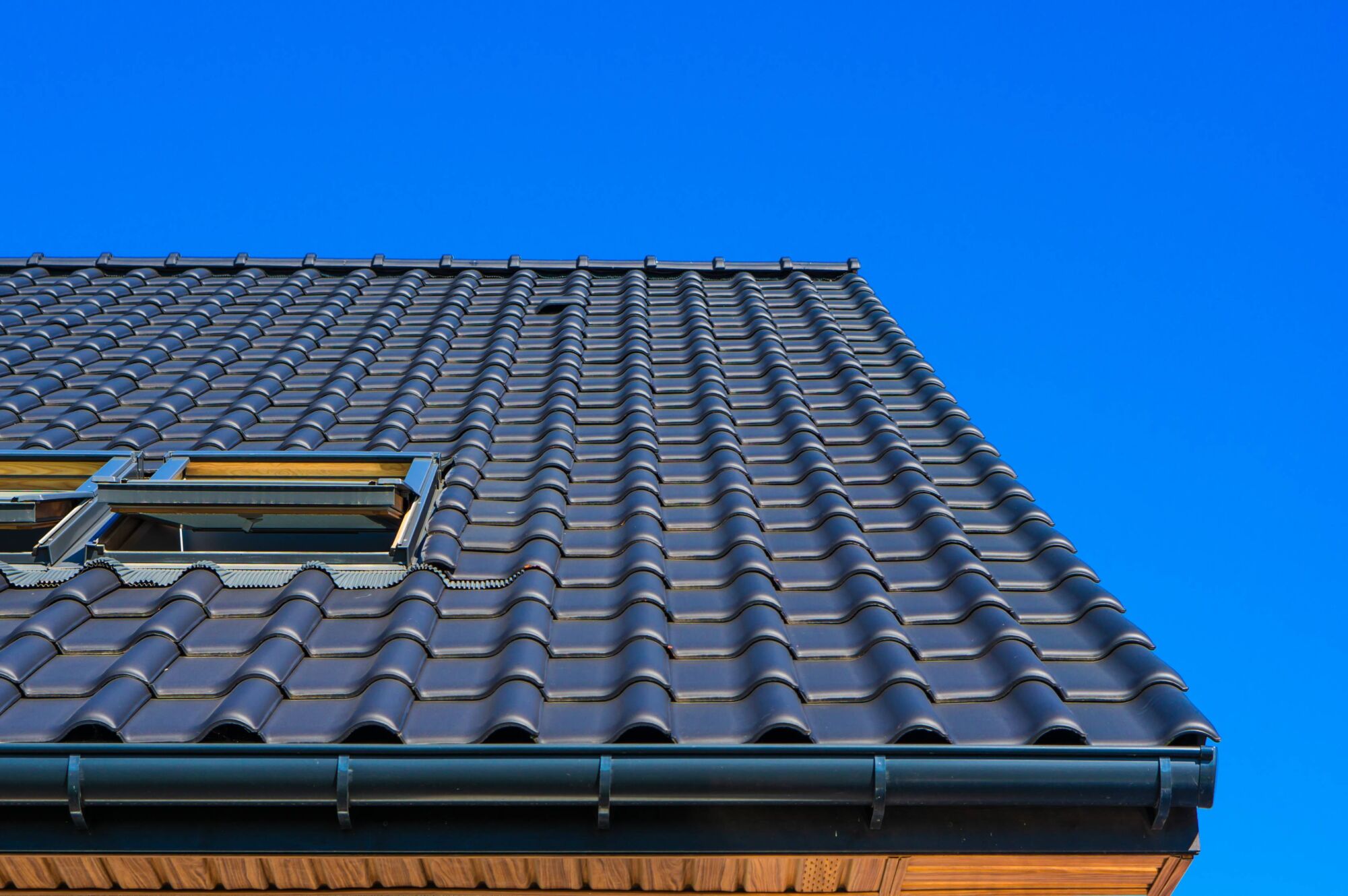
Tile roofs are deeply associated with South Florida architecture, and for good reason. They complement many Miami homes beautifully and can perform very well in hot, humid conditions when installed correctly. Concrete and clay tile systems are often chosen by homeowners who want a more upscale appearance and are prepared for a larger upfront investment.
One reason tile remains so popular is that it aligns well with the visual character of many neighborhoods in Miami. It can also offer excellent durability when the underlying system, flashing, and waterproofing details are done right. However, tile is not just about the visible pieces on top. The underlayment beneath the tile plays a major role in long-term roof performance, and repairs or replacements can become more involved because of the system's weight and complexity.
Tile can be a great choice for homeowners focused on appearance and longevity, but it is important to understand that it usually comes with higher labor and material costs. The best fit is often a home where the architecture supports tile naturally and the owner wants a longer-term exterior investment.
Metal Roofing: Durability, Efficiency, and a Modern Look
Metal roofing gets a lot of attention in Florida because homeowners like the idea of durability, wind resistance, and a clean modern appearance. In the right application, metal can be an excellent roofing material for Miami homes. It is especially attractive for owners who want a sleek design, strong weather performance, and a roof that may reflect heat more effectively depending on the system and finish selected.
Metal is not one single product category. The design, profile, coating, fastening method, and substrate details all affect how the roof performs and how it looks. Some homeowners are drawn to standing seam profiles for a contemporary aesthetic, while others prefer styles designed to mimic tile or shingles. The right choice depends on both structural needs and design goals.
Metal roofing often carries a higher upfront cost than shingles, but some homeowners find the tradeoff worthwhile because of the performance profile and visual impact. As with every other system, installation quality is critical. Even a strong metal product can underperform if panel details, transitions, penetrations, or edge conditions are not handled correctly.
Flat and Low-Slope Roofing: Best for the Right Roof Shape
Some Miami homes include flat or low-slope sections over additions, porches, modern architectural elements, or main living spaces. In those cases, the best roofing material is usually not shingle, tile, or steep-slope metal at all. It is a roofing system specifically designed for low-slope waterproofing performance.
Flat roofing decisions should focus on drainage, seam integrity, edge details, flashing, and substrate condition. A low-slope roof in Miami has to manage intense rain well, because standing water and weak transitions can lead to persistent leak problems. Homeowners sometimes underestimate how detail-sensitive these roofs are. The right system can perform very well, but it has to be designed and installed for the conditions it will face.
If your home has a flat section, the smartest choice is usually a contractor who can evaluate that area separately rather than forcing a one-size-fits-all solution across the entire property.
How to Match the Roofing Material to Your Home
The best roofing material for your Miami home depends on more than the material itself. It depends on your house. Roof slope, framing, architectural style, neighborhood expectations, and budget all matter. A Mediterranean-style home may look most natural with tile. A more modest residential property may gain the most from an architectural shingle system. A contemporary home may be a strong candidate for metal. A low-slope section needs a dedicated waterproofing approach.
This is where many homeowners make the process harder than it needs to be. They compare materials in the abstract instead of asking which roof system best matches their home's actual needs. The better question is not, "What is the best roofing material overall?" It is, "What is the best roofing material for this specific home in South Florida conditions?"
Why Installation Quality Matters as Much as Material Choice
One of the biggest mistakes a homeowner can make is assuming the product alone guarantees results. In reality, a well-installed mid-tier roof can outperform a poorly installed premium roof. Fastening patterns, underlayment details, flashing work, penetrations, ventilation, edge metal, and cleanup discipline all shape how the roof performs after the job is done.
In Miami, that matters even more because weather exposure is unforgiving. Small weaknesses have a way of becoming larger problems under repeated sun, wind, and rain. A strong contractor should explain the scope clearly, outline what materials are included, and communicate how the roof will be built for long-term performance rather than just short-term appearance.
Questions Homeowners Should Ask Before Choosing
- How does this roofing system perform in Miami heat, rain, and hurricane-season conditions?
- Is the roof slope and structure appropriate for this material?
- What underlayment, flashing, and accessory components are included?
- How much maintenance should I realistically expect over time?
- Will this choice fit the style and resale expectations of my neighborhood?
- What are the real tradeoffs between first cost and long-term value?
Those questions usually lead to a much better decision than focusing only on the lowest estimate.
Conclusion
For many homeowners, the best roofing material for Miami homes comes down to the right match between the property, the budget, and the performance goals. Shingles often offer strong practical value. Tile delivers premium South Florida style and durability. Metal can be an excellent option for owners who want long-term strength and a modern look. Flat roofing systems are essential wherever low-slope waterproofing is required. The smartest choice is the one that protects the home well, fits the architecture, and is installed with care.
If you want help comparing roofing options for a home in Miami-Dade, Broward, or Monroe County, contact All Pro Contractors at 305-707-8451. We help homeowners choose roofing systems that make sense for South Florida conditions and long-term peace of mind.
#itpaystogowiththepros